
Silverfish Control
Have you ever found tiny holes in your clothes, yellowed pages in your books, or mysterious damage around your home? There is a good chance silverfish are the cause. These small insects are sneaky, fast, and hard to spot during daylight. Most people do not even know they have a problem until the damage is already done.
At Platinum Pest Control, we offer professional silverfish control services that go beyond surface-level spraying. We find where they are hiding, treat the source, and help you stop them from coming back.

What Are Silverfish?
Silverfish are small, wingless insects. They get their name from their shiny, silver-grey colour and the way they move, like a fish wiggling through water. They grow to about 12 to 19 millimetres long and have two long antennae at the front and three tail-like appendages at the back.
They are nocturnal, meaning they are active at night and hide during the day. They move fast across flat surfaces but struggle to climb smooth walls, which is why you often find them stuck in sinks or bathtubs in the morning.
Silverfish can live for up to seven years and lay eggs all year round. A single female can produce clusters of two to twenty eggs at a time. That means an uncontrolled infestation can grow very quickly.
Where Do Silverfish Hide in Your Home?
Silverfish love dark, damp, and warm places. Inside your home, they are most commonly found in:
- Roof voids and wall cavities
- Bathroom and laundry cupboards
- Under kitchen sinks
- Bookshelves and storage boxes
- Behind skirting boards and in cracks or crevices
- Wardrobes and linen cupboards
Outdoors, they live under tree bark, in garden beds, and among leaf litter. They move indoors when looking for food or when weather conditions change.
What Do Silverfish Eat?
Silverfish feed on anything that contains starch, sugar, or cellulose. Their diet includes:
- Paper, books, and cardboard
- Clothing made from cotton, linen, or silk
- Wallpaper and the glue used to stick it
- Photographs and paintings
- Stored dry foods like flour, oats, and cereals
- Carpet and fabric fibres
- Skin flakes and dust
If their preferred food is not available, they will even feed on leather and synthetic materials. This wide-ranging diet makes them a serious threat to your belongings.
Signs You Have a Silverfish Infestation
Silverfish are good at staying hidden. But they do leave clues behind. Watch out for:
- Irregular holes or notches along the edges of books, paper, or clothing
- Yellow stains or small scales left on fabrics and paper
- Tiny black droppings that look like ground pepper
- Loose or damaged wallpaper, especially in humid areas
- Finding a silverfish on your bathroom floor or in the sink in the morning
- Shed skins, which silverfish leave behind as they grow
Spotting one or two silverfish does not always mean a full infestation. But seeing them regularly, or finding repeated damage, usually means there is a larger population hiding out of sight.
What Causes a Silverfish Problem?
Silverfish are attracted to specific conditions. Understanding the cause is the first step toward solving the problem.
High humidity and poor ventilation: Silverfish thrive in moist environments. Bathrooms, laundries, and poorly ventilated roof spaces are prime breeding grounds.
Leaking pipes or taps: Even a slow drip creates enough moisture to attract them.
Cluttered storage areas: Boxes of books, old paperwork, and piles of clothing give silverfish both shelter and food.
Gaps and cracks in walls: Small openings around skirting boards, pipes, and cupboards create easy entry and hiding points.
We start by checking all the areas where silverfish are likely to hide. This includes roof voids, wall cavities, cupboards, bathrooms, and storage spaces. We look for signs of activity and assess how widespread the infestation is.
We apply insecticidal treatments directly to the areas where silverfish live and breed. This includes skirting boards, crevices, roof voids, and enclosed storage spaces. We use a combination of sprays, dusts, and baits depending on the level of infestation.
Our Professional Silverfish Control Treatment
Thorough Inspection
We start by checking all the areas where silverfish are likely to hide. This includes roof voids, wall cavities, cupboards, bathrooms, and storage spaces. We look for signs of activity and assess how widespread the infestation is

Targeted Treatment
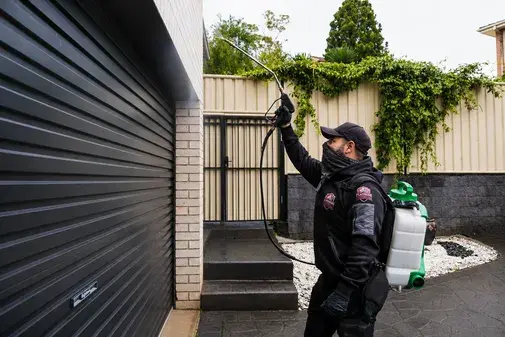
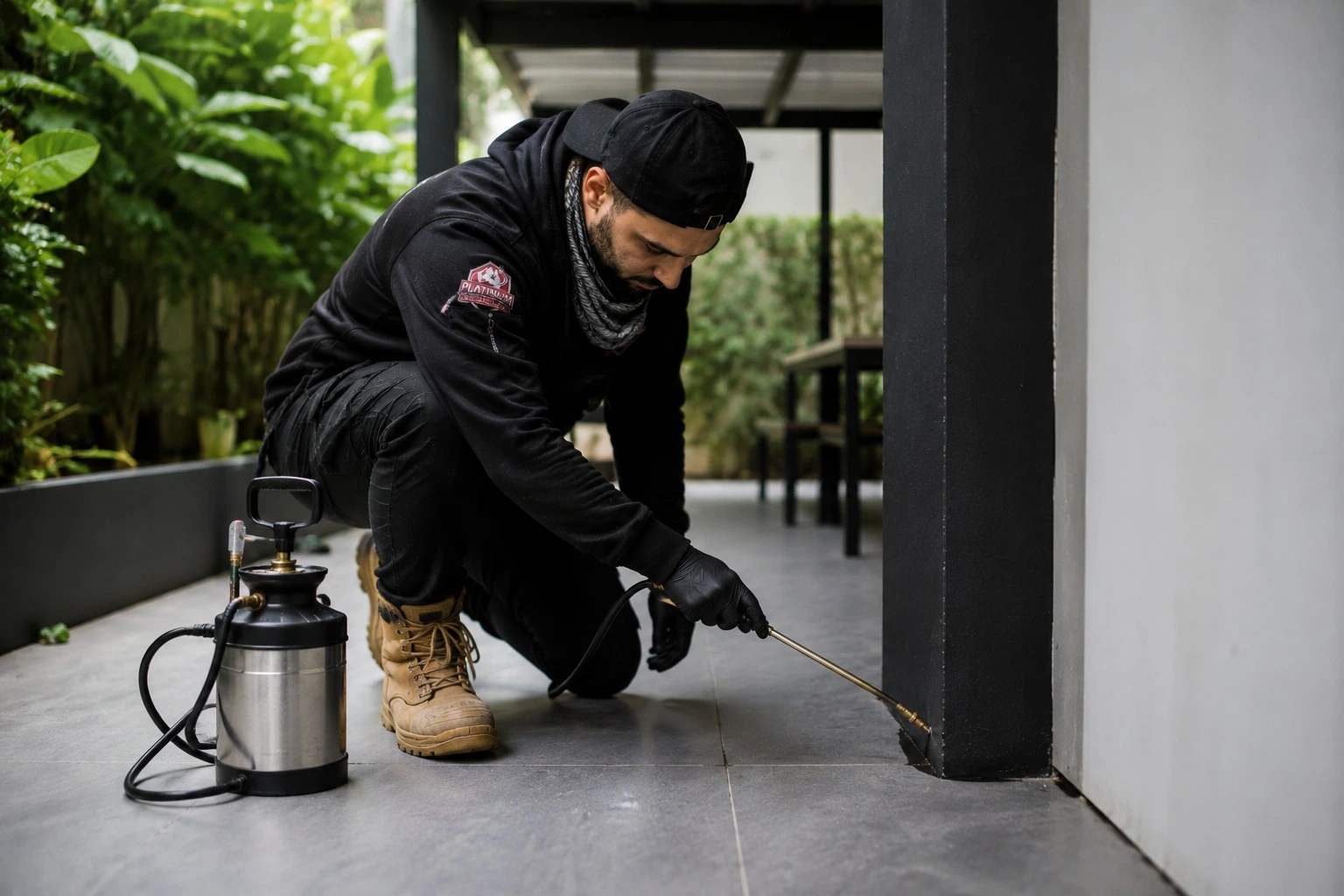
We apply insecticidal treatments directly to the areas where silverfish live and breed. This includes skirting boards, crevices, roof voids, and enclosed storage spaces. We use a combination of sprays, dusts, and baits depending on the level of infestation.
Safe, Residual Products
We only use products that are approved for residential use in Australia. They are effective against silverfish at all life stages and are safe for your family and pets when applied correctly. Our residual treatments also keep working after the visit, giving you ongoing protection.

Prevention Advice
Once the treatment is complete, we give you practical tips to reduce the chances of silverfish returning. Small changes around the home can make a big difference over time.
How to Prevent Silverfish in Your Home
A professional treatment works best when combined with good habits around the home. Here are some simple steps that help keep silverfish away:
- Fix leaking taps and pipes as soon as possible
- Use exhaust fans in bathrooms and laundries to reduce moisture
- Store books, clothing, and documents in sealed containers
- Vacuum regularly, including along skirting boards and in cupboards
- Declutter storage areas and remove old cardboard boxes
- Seal gaps and cracks around pipes, skirting boards, and cupboard edges
- Keep roof voids and subfloor areas dry and well-ventilated
These steps support your professional treatment and help keep silverfish numbers low between visits.
When Should You Call a Professional?
You should contact a pest control professional if:
- You are seeing silverfish regularly, especially during the day
- You have found damage to clothing, books, or stored items
- Silverfish activity is spreading to multiple rooms
- DIY sprays have not solved the problem
- You have sensitive items like archives, photographs, or rare books at risk
- You want a fast, long-lasting solution with professional-grade products
Established infestations in roof voids and wall cavities are very difficult to eliminate without professional equipment and products. The sooner you act, the easier and more affordable the treatment will be.
Why Choose Platinum Pest Control for Silverfish Treatment?
- Licensed and experienced pest control technicians
- Treatments tailored to the size and severity of your infestation
- Safe, Australian-approved products for residential use
- Targeting silverfish at all life stages, including eggs
- Thorough inspection before every treatment
- Practical prevention advice included with every visit
- Reliable and friendly local service
We understand how frustrating it is to find damage to things you care about. Our goal is to fix the problem quickly and give you peace of mind that it will not keep coming back.
Book Your Silverfish Control Service Today
Do not wait until the damage gets worse. Contact Platinum Pest Control today to book a silverfish inspection and treatment. Our team is ready to help you take back your home from these destructive pests.
Visit us at platinumpestcontrolau.com.au or call us 0432 570 256 our team to arrange a same-day service.
Frequently Asked Questions
What attracts silverfish to my home?
Silverfish are attracted to moisture, humidity, paper, cardboard, and food containing starch.
Are silverfish harmful to humans?
No, silverfish do not bite or spread diseases, but they can damage household items.
Can silverfish damage clothes and books?
Yes, silverfish feed on paper, glue, fabrics, and natural fibres, causing noticeable damage.
How do I know if I have a silverfish infestation?
Frequent sightings, damaged books or clothing, droppings, and shed skins are common signs.